
There’s a kind of grief we don’t speak about nearly enough. Not the grief that comes with death or some dramatic betrayal, but the quiet grief of friendships that simply change. These are the friendships built over years of shared moments. The late-night conversations that somehow solved the world’s problems. The laughter that left your stomach aching. The tears, the prayers, and the dreams you trusted each other with long before they felt ready for the world. These are the people who knew your story before anyone celebrated your growth. They saw you in the becoming. They celebrated your promotions, comforted you through heartbreak, and reminded you who you were when you forgot. Then, somewhere along the way, something shifted.
The difficult part is that it doesn’t always happen because someone did something wrong. Sometimes there isn’t a fight, a betrayal, or even a conversation. Life simply begins pulling two people in different directions, and before you know it, the relationship doesn’t feel the way it once did. That’s where the grief quietly settles in.
Ecclesiastes reminds us that there is a season for everything. We tend to embrace that truth when it speaks about new beginnings, but we struggle with it when it speaks about endings. Yet if there truly is a season for everything, then surely that includes friendships, too. Not everyone is meant to walk beside us through every version of who we’re becoming, and that doesn’t diminish what the friendship was. It simply means it served its purpose in that season. Seasonal doesn’t mean insignificant.
When You Don’t Feel Led
I remember a friendship where someone wanted us to work together on a project. On paper, everything made sense. The opportunity looked right, the partnership seemed beneficial, and I could see why they believed it would work. Yet despite all of that, something in me wasn’t settled. I couldn’t explain it, but I didn’t feel led to move forward.
That wasn’t an easy decision because when someone believes in you enough to want to build something together, saying no can feel deeply uncomfortable. It can feel selfish, like you’re rejecting both the person and the opportunity. I wrestled with that for a while before finally asking myself a simple question: if one person doesn’t feel led, is that necessarily a bad thing?
I’ve learned that sometimes we have to trust the quiet conviction God places within us. That inner restraint isn’t always loud, but it’s there, gently reminding us that not everything that looks good is ours to carry. I didn’t feel called to that particular opportunity, and eventually I accepted that my lack of peace had to be enough.
The beautiful part is that they went on to do incredibly well. I wasn’t politely happy for them or trying to hide disappointment behind encouragement. I was genuinely proud because sometimes our absence creates the space someone else needs to discover just how capable they really are. Sometimes stepping aside is exactly what allows another person to build confidence, become economically empowered, and fully recognize their own potential. Not every act of love requires involvement. Sometimes obedience looks like cheering from the sidelines, and sometimes alignment means letting someone shine without needing to stand beside them.
When Growth Takes You Different Ways
Then there are friendships where the issue isn’t a decision but direction. Over time, you begin to notice that the conversations haven’t grown, the mindset feels stuck, or the effort has become one-sided. Sometimes, the biggest realization is that you’ve slowly started shrinking parts of yourself to preserve the relationship.
I’ve experienced that too. I didn’t even realize how much tension I was carrying until I stepped away. I found myself constantly measuring my words, replaying conversations long after they ended, anticipating reactions before speaking, and adjusting my personality so I wouldn’t unintentionally upset someone. Eventually, I realized that wasn’t peace. There’s a difference between being considerate and feeling like you’re walking on eggshells.
When every interaction leaves you emotionally drained instead of encouraged, it’s time to start paying attention. Looking back, I stayed longer than I probably should have because of history, loyalty, and the hope that things would somehow return to what they once were. But eventually I had to be honest with myself, the relationship wasn’t explosive or dramatic, it was simply becoming quietly unhealthy. And so creating distance wasn’t about punishment or proving a point because there was no announcement, no public fallout, and no need to explain myself. I simply stepped back, and with that distance came something I hadn’t experienced in a long time—peace.
When It’s Family
Perhaps the hardest version of this happens within families. We naturally assume that blood guarantees lifelong closeness, yet life has a way of changing even those relationships. Marriage, motherhood, business, healing, faith, disappointment, and different priorities all shape us in ways we don’t always expect. Sometimes you wake up and realize that someone who once felt like your closest companion now feels unfamiliar.
We often hold on because history carries weight. We remember who people were to us, and we hope that if we’re patient enough, things will somehow return to what they used to be. Sometimes they do. Sometimes they don’t. And sometimes the relationship doesn’t end with conflict at all. It simply reaches its natural conclusion.
Why We Hold On
I think many of us stay longer than we should because we confuse longevity with purpose. We fear being seen as the one who changed, we worry about being misunderstood, and we feel guilty for choosing growth when it means leaving familiarity behind. Yet I’ve come to believe that not feeling led isn’t me being cruel—it’s me gaining clarity. Outgrowing a dynamic isn’t arrogance—it’s awareness, and wanting peace isn’t a betrayal—it’s maturity.
Some relationships end because you’re being called higher. Others because you’re being called inward, and then some end because you’ve finally stopped tolerating what you once accepted as normal. And some don’t really end at all; they simply loosen their grip as both of you continue your separate journeys.
Honoring What Was
What I’ve come to understand is that you can grieve a friendship without making someone the villain. You can still love someone while accepting that the season has changed. You can be grateful for what the relationship gave you without trying to force it to remain what it no longer is. The grief doesn’t mean the friendship wasn’t real. If anything, it hurts precisely because it mattered.
A Gentle Reflection
So if you’re in a season where something feels different, perhaps it’s worth asking yourself a few honest questions.
- Am I saying yes because I genuinely feel led, or because I feel obligated?
- Am I staying because this relationship is healthy, or simply because it’s familiar?
- Do I feel free to be myself, or am I constantly being careful?
- Is this friendship helping me grow, or quietly causing me to shrink?
You don’t have to create a villain to justify letting go. Sometimes the most loving thing you can do—for them and for yourself—is simply acknowledge that the season has changed. Growth requires room, and you are allowed to keep growing, even if not everyone continues the journey with you.
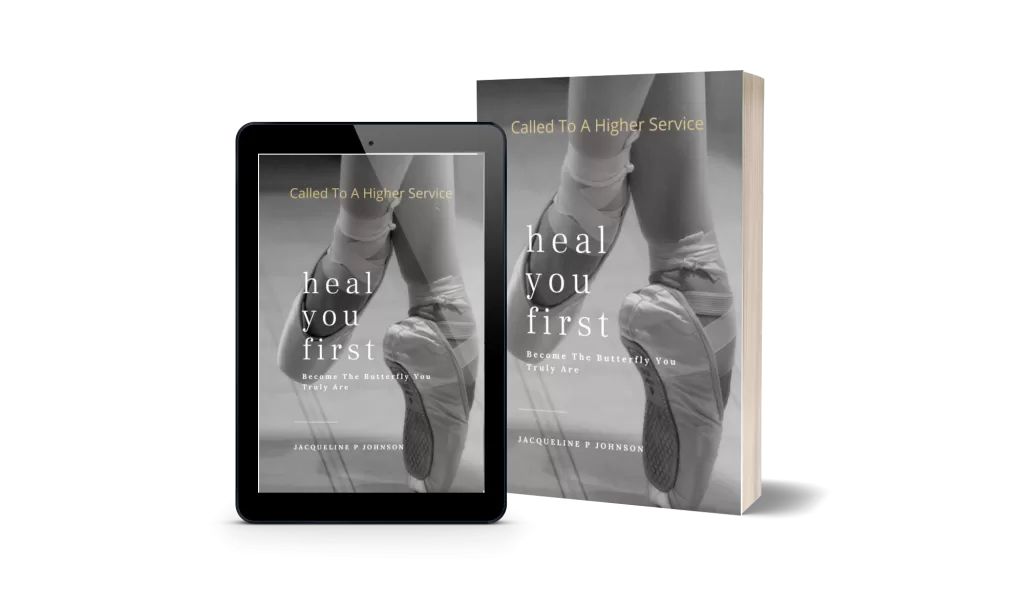
Are you longing to break free from the chains that bind you and discover the path to true healing and growth? In “Heal You First,” embark on a biblical journey of self-discovery and inner transformation.
Discover the Power of Faith and Fearlessness:
A Transformative Metamorphosis: Confront challenges, embrace storms, and emerge stronger. “Heal You First” is not just a book. It’s a transformative guide that uses Bible verses with practical steps for inner healing. Are you ready to embrace the biblical path to healing and become the powerful, magnificent vessel God has created you to be?
HEAL YOU FIRST, GET THE BOOK

Read more Lifestyle Features
Read Our Magazine
WE INVITE YOU TO LISTEN IN ON OUR LATEST PODCAST CONVERSATION. HELP OUR PLATFORM GROW BY SUBSCRIBING ON YOUR FAVOURITE PLATFORM.
What does it mean to build a life of impact without losing yourself in the process?
In this episode of TheBeyondWoman Conversations Podcast, host Jacqueline Johnson sits down with Trinidad and Tobago entrepreneur, author, and systems strategist Krystle Phillips for an honest conversation about leadership, visibility, entrepreneurship, and the evolution of personal identity.
As the founder of multiple businesses, including Your Equipment Suppliers (YES), Krystle has dedicated her career to helping entrepreneurs, farmers, and agro-processors across the Caribbean build stronger, more sustainable businesses through better systems and operational design. She is also the author of Breaking Barrels: Unparenting the Parent. And Misdiagnosed: Why Micro Agro-Processors Are Set Up to Fail.
Together, Jacqueline and Krystle explore what it means to step into greater visibility without sacrificing authenticity. Why sustainable success is built on systems rather than constant hustle. And how Caribbean women can embrace both strength and femininity while leading with confidence.