Parent is not a title; it is a presence. It is an everyday choice to show up—a commitment to lead, guide, love, nurture, and protect. It is a role earned through empowerment, action, patience, and love.
Parenthood is a demonstration of a divine calling. It is not simply a duty or a burden on a checklist of life’s accomplishments. A child is not an achievement, a possession or proof of adulthood. A child is a life entrusted to someone’s care, and that trust requires far more than biology. It requires intention, humility, sacrifice and love. The truth is, not everyone is naturally gifted to parent. Some people step into parenthood with an instinctive understanding of patience, compassion and connection. Others have to learn, and that is simply the reality of being human. Parenthood, like life itself, is often trial and error—on-the-job training where every stage presents new lessons. The willingness to grow may be one of the greatest qualities a parent can possess. A parent is constantly learning what works, learning their child’s personality, fears, strengths, needs, and the unique ways they experience and process the world. The goal is not merely to raise a child, but to nurture a human being who feels seen, heard, valued, and empowered to become the best version of themselves.
Parenthood is not a rite of passage. Having a child does not automatically make someone a parent in the deepest sense of the word. Biology creates a connection, but presence, guidance, consistency and love build a relationship. The difficult truth is that some people should never have become parents. Not because they are imperfect—we all are—but because they refuse to grow, refuse to take responsibility or refuse to recognise that a child is a whole person with their own emotions, thoughts, dreams, fears, gifts, personality and way of processing the world.
Children are not figurines to be positioned wherever we please. They are not extensions of our egos, nor are they vessels through which we relive our own unfinished dreams. They are individuals from the very beginning, deserving of respect, understanding, and the opportunity to discover who they are.
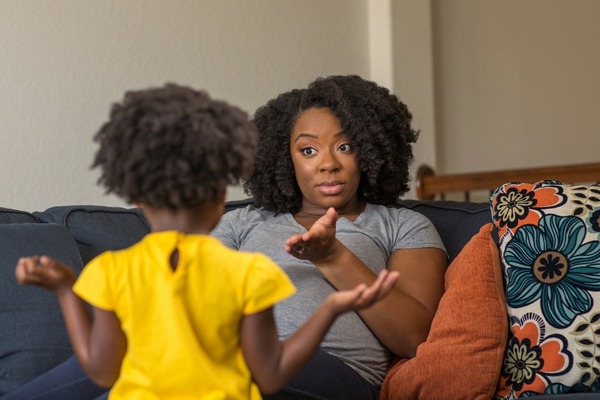
Far too often, adults speak at children instead of to them, mistaking volume for authority and control for respect. They speak about children in their presence as though they are invisible, incapable of understanding or too young to be affected by the words being spoken. Yet children absorb far more than we realise. They may not understand every conversation, but they understand tone. They understand rejection, ridicule and dismissal, and whether their feelings are valued. The messages they receive during childhood can become the beliefs they carry into adulthood. Is it any wonder that so many adults spend years trying to unlearn beliefs that were planted when they were young? The belief that they are not enough. That their voice does not matter. That love must be earned. That their worth depends on meeting someone else’s expectations.
None of this means that children do not need discipline. They do. Children need boundaries, structure, accountability, and guidance. They thrive in environments where expectations are clear, routines provide stability, and love remains constant even when correction is necessary. They need to learn that actions have consequences, that respect is mutual, and that character is built through consistency and example.
But discipline should never become a tool for crushing individuality or forcing blind conformity. There is a profound difference between teaching a child how to live with integrity and demanding that they become a version of themselves that is simply more convenient for the adults around them.
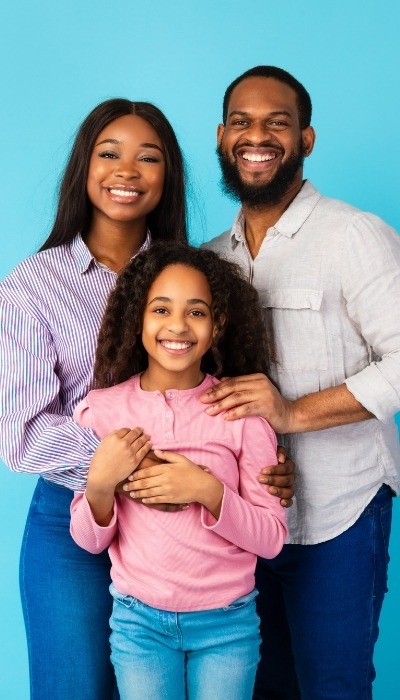
There will be moments along the journey when a parent becomes the “bad guy.” There will be times when the answer must be no, when boundaries must be enforced, and when necessary discipline must be given. Those moments are not signs of failure; they are part of the process of guiding a child. A parent’s role is not singular. A parent is a coach who encourages growth, a tutor who helps develop understanding, a nurse who provides comfort, a doctor who tends to wounds, a confidante who creates a safe space for honesty, and a protector who provides security. Sometimes a parent must challenge. Sometimes they must comfort. Sometimes they must stand beside their child while they navigate difficult moments.
The goal is not to avoid disappointing a child. The goal is to ensure that even in moments of correction, the child never doubts that they are loved. A child may not always like a parent’s decisions, but they should always feel secure in the love behind them. Ultimately, the goal of parenting is not to produce unquestioning obedience. It is to raise emotionally healthy, morally grounded, and independent human beings who know they are loved, who can think critically, treat others with compassion, and have the confidence to become who they were created to be.
LEARNING THE CHILD YOU HAVE BEEN GIVEN
My understanding of parenthood has been shaped not only by observing families throughout my life, but also by my own experience as a mother. Long before my daughter was born, I spoke to her, read to her, and interacted with her. When she entered the world, that communication continued. If I was leaving for work, I would tell her exactly where I was going and reassure her that I would see her soon. I never made promises I could not keep because I wanted her to understand that my words could be trusted. Trust is built in the smallest moments.
I also chose to listen. Even when she was very young, I believed her thoughts deserved to be heard.
Before she was born, I feared holding newborns. My doctor knew this. A few hours after her birth, he asked whether I had picked her up. I admitted that I had not. His response has stayed with me: “You won’t drop her, but your fear may cause you to hold her too tightly—physically and emotionally.”
At the time, I understood the physical warning. Years later, I understood the emotional one.
When my daughter was five years old, we bought her a bicycle for her birthday. She wore all the appropriate safety gear, but I was still overwhelmed with worry about her falling. In the middle of my anxious instructions, she looked at me and calmly said, “Mommy, you’re stifling me.” I was surprised by her choice of words, so I asked her what she meant. She explained that she knew I worried she would get hurt, but I needed to allow her to try. She assured me she would be careful.
That conversation changed me.
I was not simply watching a child learn to ride a bicycle. I was witnessing a young mind that had observed, analysed, and processed my behaviour. More importantly, she felt safe enough to communicate how my fear was affecting her. That is the power of creating an environment where children know their voices matter. As she grew, I intentionally gave her age-appropriate choices. I allowed her to choose her clothes, make decisions about healthy food options, and explore activities that genuinely interested her. It was not about allowing a child to control the home. It was about showing her that her individuality mattered. I learned early that she did not like her food touching, so I bought divided plates. I noticed that she naturally preferred healthy foods, although she also had a surprisingly expensive palate. Certain textures did not sit well with her, and I learnt to recognise those preferences. Instead of dismissing them as an inconvenience or stubbornness, I chose to understand them.
My responsibility was not to force her to become more convenient for me. It was to learn the unique human being I had been entrusted to raise. It was to find common ground, provide guidance, and respect her individuality without removing the structure she needed. To this day, she does not eat sandwiches unless she can pull them apart first, and she prefers her hot dogs plain. Those details may seem insignificant to others, but to me they represent years of paying attention. Parenting is found in the small moments—in noticing, listening, adapting, apologising when we get it wrong and choosing connection over control.
SHOWING UP AS THEY BECOME THEMSELVES
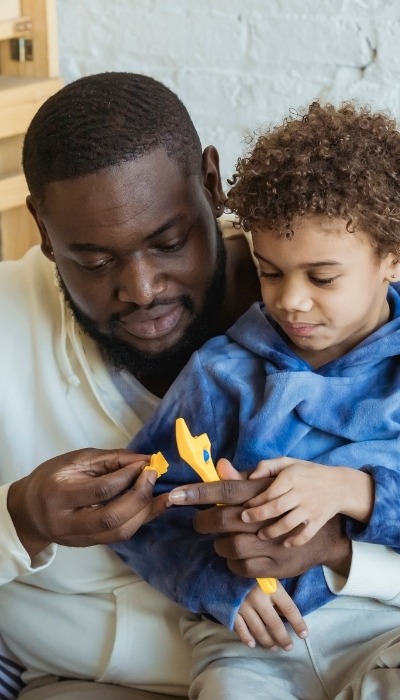
Throughout my life, I have had the privilege of knowing some extraordinary parents. I have witnessed mothers who pour themselves into their children with remarkable devotion, offering comfort, wisdom, sacrifice, and unconditional love. I have also witnessed remarkable fathers, particularly fathers raising daughters, navigate unfamiliar territory with incredible grace. In a world that sometimes underestimates the influence of a father’s presence, I have seen men choose patience over pride, listening over lecturing, guidance over intimidation, and love over ego. They create spaces where their daughters know they are safe, respected, capable, and deeply valued.
Whether mother or father, the parents I admire most share one thing: they understand that parenthood is not about having all the answers. It is about having the humility to learn, the courage to grow and the love to keep showing up. One day, our children will no longer need us to hold their hands. They will make their own decisions, face their own challenges, and write their own stories. Until then, may we be present enough to listen, wise enough to guide, humble enough to learn, and courageous enough to loosen our grip as their confidence grows.
After all, the purpose of parenting was never to keep our children in our shadow.
It was to prepare them to walk confidently in their own light.

Read more Lifestyle Features
Read Our Magazine

WE INVITE YOU TO LISTEN IN ON OUR LATEST PODCAST CONVERSATION.
HELP OUR PLATFORM GROW BY SUBSCRIBING ON YOUR FAVOURITE PLATFORM.
What does it mean to build a life of impact without losing yourself in the process?
In this episode of TheBeyondWoman Conversations Podcast, host Jacqueline Johnson sits down with Trinidad and Tobago entrepreneur, author, and systems strategist Krystle Phillips for an honest conversation about leadership, visibility, entrepreneurship, and the evolution of personal identity.
As the founder of multiple businesses, including Your Equipment Suppliers (YES), Krystle has dedicated her career to helping entrepreneurs, farmers, and agro-processors across the Caribbean build stronger, more sustainable businesses through better systems and operational design. She is also the author of Breaking Barrels: Unparenting the Parent. And Misdiagnosed: Why Micro Agro-Processors Are Set Up to Fail.
Together, Jacqueline and Krystle explore what it means to step into greater visibility without sacrificing authenticity. Why sustainable success is built on systems, not constant hustle. And how Caribbean women can embrace both strength and femininity while leading with confidence.