
What would happen to your family, business and financial affairs if you weren’t here tomorrow? Financial planning isn’t only about retirement or investments. For women, it can also mean making sure the people and things we’ve spent our lives building are protected. In this episode of TheBeyondWoman Conversations, we talk about financial planning for women, preparing for the unexpected, protecting your assets and creating a plan that gives you and your family greater peace of mind.
Listen to the conversation
In this conversation, we explore:
- Why women need to think about financial protection, not just income
- What happens to your financial affairs if you die unexpectedly
- The importance of having your documents and wishes in order
- Protecting the assets you’ve worked hard to build
- Financial planning for women at different stages of life
- Why having a plan is an act of responsibility rather than fear
Meet Bridget Prendergast-Francis
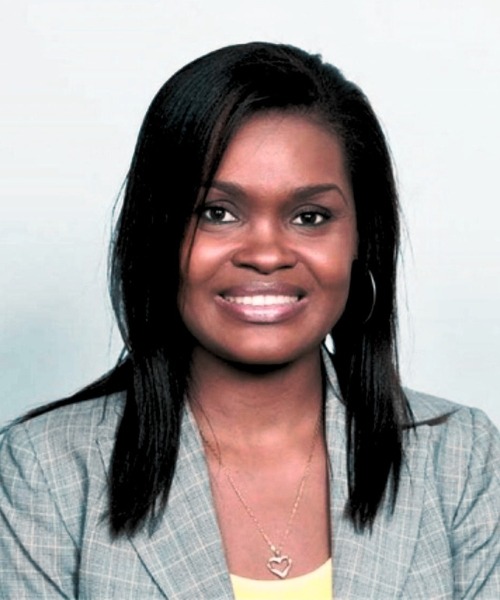
With over eight years of experience as a Financial Advisor at Sagicor Life Jamaica, I am dedicated to helping families navigate life’s key turning points with confidence and security. As a mother of two and an avid nature lover, I understand the deep importance of protecting what matters most. My mission is simple: to bring hope, peace of mind, and true financial freedom to families through tailored life insurance solutions built for every stage of life.
Inside the Conversation
1. What happens if you’re not here tomorrow?
The conversation begins with an uncomfortable but important question: if something happened to you tomorrow, would the people who depend on you be financially protected? Jacqueline and Bridget explore why women often postpone conversations about life insurance and financial planning because they assume they have more time.
2. When financial protection becomes personal
Bridget shares how losing her brother and later her father exposed her to the financial realities families can face after a death. Her father’s lack of life insurance meant family members had to come together to cover expenses, an experience that shaped how she came to view financial protection.
3. The health scare that changed everything
Bridget recounts a serious motor vehicle accident in which she genuinely believed she was going to die. Afterward, one of her first thoughts was about her son and whether the plans she had made would allow his needs and future goals to continue if she were no longer there.
4. Life insurance isn’t only about death
A major part of the conversation challenges the idea that life insurance only matters after someone dies. Bridget discusses living benefits, including protection related to disability, hospitalization, critical illness, savings and investment, depending on the type of policy.
5. What does financial protection look like for a mother?
Bridget explains how she thinks about protecting a child’s future by considering how long a parent expects to financially support that child. She also talks about having rainy-day funds, educational savings, health insurance, life insurance, investments, and savings in place.
6. You don’t have to start with everything
For women who believe financial protection is simply too expensive, Bridget’s advice is straightforward: start with what you can afford. She explains that financial needs change over time and that protection can grow as your circumstances and income change.
7. Why do women avoid these conversations?
The discussion explores some of the misconceptions surrounding insurance — including seeing it as an expense rather than an investment, discomfort with medical examinations, and the belief that insurance is only useful when someone dies.
8. Your job is your Plan A. What’s your Plan B?
One of the strongest ideas in the conversation is that employment may be your primary source of income, but it shouldn’t necessarily be your only protection. Bridget discusses the importance of having a financial Plan B for situations such as disability, illness, job loss or premature death.
9. The financial costs families may overlook
Beyond funeral and medical expenses, Bridget points to children’s education, mortgages, car loans, unsecured debt and even the costs associated with transferring inherited property. Financial protection can help families deal with these obligations without immediately having to find the money elsewhere.
10. Are you planning for retirement — or assuming your children will take care of you?
The conversation turns to a reality many women don’t consider early enough: children may not always be financially positioned to support their parents. Bridget encourages women to plan for their own retirement and not assume that their children will automatically become their financial safety net.
11. Financial protection can become generational wealth
Bridget explains her view that life insurance can play a role in creating and preserving wealth across generations. The goal isn’t simply what a policy does for you today, but how financial planning can make life easier for the generation that comes after you.
12. The three things women should consider
When Jacqueline asks what women could do within the next 30 days, Bridget brings the conversation back to three areas: family security, disability and liquidity/continuation of income. Her message is to have a Plan B for the “what ifs” of life.
A few words to take away
The conversation ends with a powerful idea: financial protection isn’t about expecting something bad to happen. It’s about being intentional about the life you’ve built and reducing the financial burden on the people you love if life takes an unexpected turn.
Listen to the full conversation above, or explore some of the key moments below.
YOU MAY ALSO ENJOY
Continue the conversation
TheBeyondWoman is a platform created to help Caribbean women connect, learn, grow and go beyond the expectations placed on us.
Then: