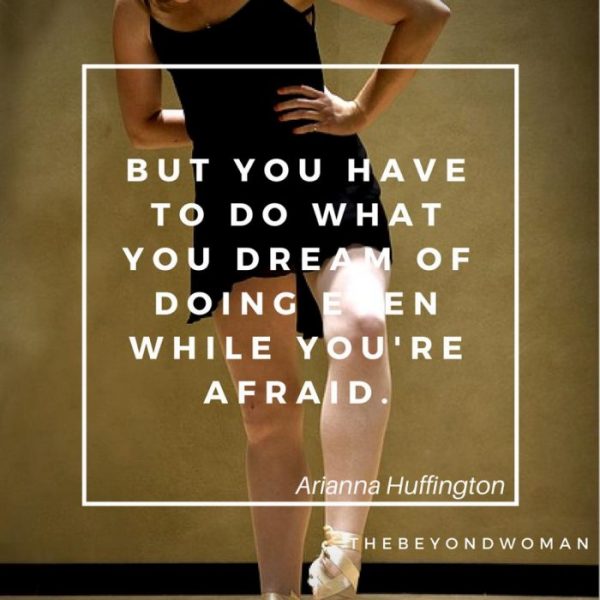

What Is Your Yes?
Every single day, consciously or unconsciously, we are saying yes to something. Yes to growth. Yes to fear. Yes to peace. Yes to overthinking. Yes to alignment or misalignment. But the deeper question is this:
Do we truly understand the power or consequence of our yes?
Your “yes” is not just a word. It is an agreement. A direction. A silent commitment to a path that will eventually shape your experiences, your mindset, and your reality. Most people think their lives are shaped by major decisions. In truth, it is the small, repeated yeses that create long-term outcomes. The yes to discipline. The yes to emotional reactions. The yes to self-respect. The yes to habits that either build or break internal stability.
Every yes carries weight.
When you say yes to alignment, you invite peace.
When you say yes to growth, you invite transformation.
When you say yes to fear or self-doubt, you unintentionally reinforce limitation.
Often, these consequences are subtle at first.
The Hidden Consequences of Saying Yes
To growth, you invite transformation.
To fear or self-doubt, you reinforce limitation.
The shift does not always happen loudly. It happens quietly. Gradually. Beneath awareness.
How People-Pleasing Reinforces Limitation
Each yes strengthens a pattern. The mind adapts to whatever we repeatedly agree to. If we constantly say yes to situations that drain us, discomfort becomes normalized. If we say yes to what nourishes us, clarity and emotional balance become our baseline. I realized I was subconsciously saying yes to abandonment and, in some ways, had abandoned myself. And in different forms, that is what I experienced in my life. I also believe I may have projected that unintentionally onto my child. Not by speaking poorly of anyone. Not through disrespect. But through the subtle ways I abandoned myself.
One way this showed up was in how I allowed my relationship to unfold. I have always been a homebody. I value simple, meaningful connection over grand gestures. I did not need flowers, diamonds, or elaborate dates to feel special. Quality time at home — a quiet drive to the riverside, a shared meal, an afternoon together — felt perfect. Yet even in that simplicity, I realized I sometimes said yes to the bare minimum. I never complained. I never made a fuss. But by not speaking up for my needs, however simple, I was quietly signaling that less was acceptable.
Self-Sacrifice or Self-Abandonment
For many years, I said yes to selflessness. Eventually, I learned there is a difference between self-sacrifice and self-abandonment. True giving comes from choice. From alignment. Without compromising your core needs. Self-abandonment, however, is saying yes to others’ ease or convenience at the expense of yourself. And here is the hard truth: there are people who will gladly accept your selflessness — not because their need is greater than yours, but because it is easier for them than taking responsibility for their own lives. Without awareness, selflessness can unintentionally invite dependence, exploitation, or imbalance. Recognizing this distinction is essential if you want your generosity to uplift rather than deplete you.
The Emotional Cost of Fear-Based Decisions
I also witnessed a sibling who, for years, kept saying yes to lack by declaring herself “Mrs. Ever Broke.” She was getting by, but that mindset delayed the abundance she wanted to experience. Truthfully, I believe she said it as self-protection. Accepting what seemed obvious. But it wasn’t truly so until she shifted her thinking and intentionally said yes to abundance. That shift changed her reality.
Do you see the importance of awareness? Every yes. Every subtle decision. Every small action has consequences that ripple far beyond ourselves. Awareness allows us to consciously choose our yeses, break harmful patterns, and model emotional resilience and self-respect for those around us, especially our children.
A conscious yes expands you.
An unconscious yes confines you.
There is also an emotional dimension to our yes. Many times, people say yes out of guilt, fear of disappointing others, or fear of losing connection. But a yes rooted in fear creates internal conflict. You may appear agreeable externally while feeling misaligned internally and over time, that misalignment shows up as exhaustion, overthinking, or emotional heaviness.
Every Yes Is Also a No
Yes to chaos can mean no to peace.
Yes to inconsistency can mean no to stability.
Yes to everyone else can quietly become a no to yourself.
Understanding the consequence of your yes does not mean becoming rigid or fearful of decisions. It means becoming intentional. It means pausing and asking: Does this yes align with who I am becoming?
A grounded yes comes from clarity, not pressure. From self-respect, not fear. From alignment, not emotional impulse. In relationships, your yes sets the standard for how you are treated. In personal growth, your yes determines your discipline. In life, your yes quietly directs your trajectory. Maturity is not about saying yes to everything. It is about understanding what your yes is committing your energy, time, and emotional space to.
The Yes That Changed Me
I said yes to myself. I said yes to loving all of me, accepting all of me, and my entire world changed — and is still changing — for the better.
I showed my child the power of saying yes to resilience, strength, determination, self-love, and self-respect. I said yes to love. I said yes to being the best version of myself and the best mother I could be by ignoring the external noise and focusing on building not just physical resilience, but mental and emotional strength. But this is not just about me. It is about us—the collective.
Even when you start on a path that feels wrong, you can always say yes to better. You can shift your trajectory. You can redefine your reality. You can consciously choose yes to what uplifts, empowers, and aligns. When you truly understand the power of your yes, you stop giving it away impulsively and begin to offer it deliberately, calmly and intentionally. Because in the end, life does not only respond to what we desire. It responds to what we consistently agree to. So the real question is not just what you want.
It is this:
Do you understand the power and consequence of what you keep saying yes to? Your yes is never neutral. It is always shaping something — within you, around you, and sometimes even in the hearts of those you love most.